
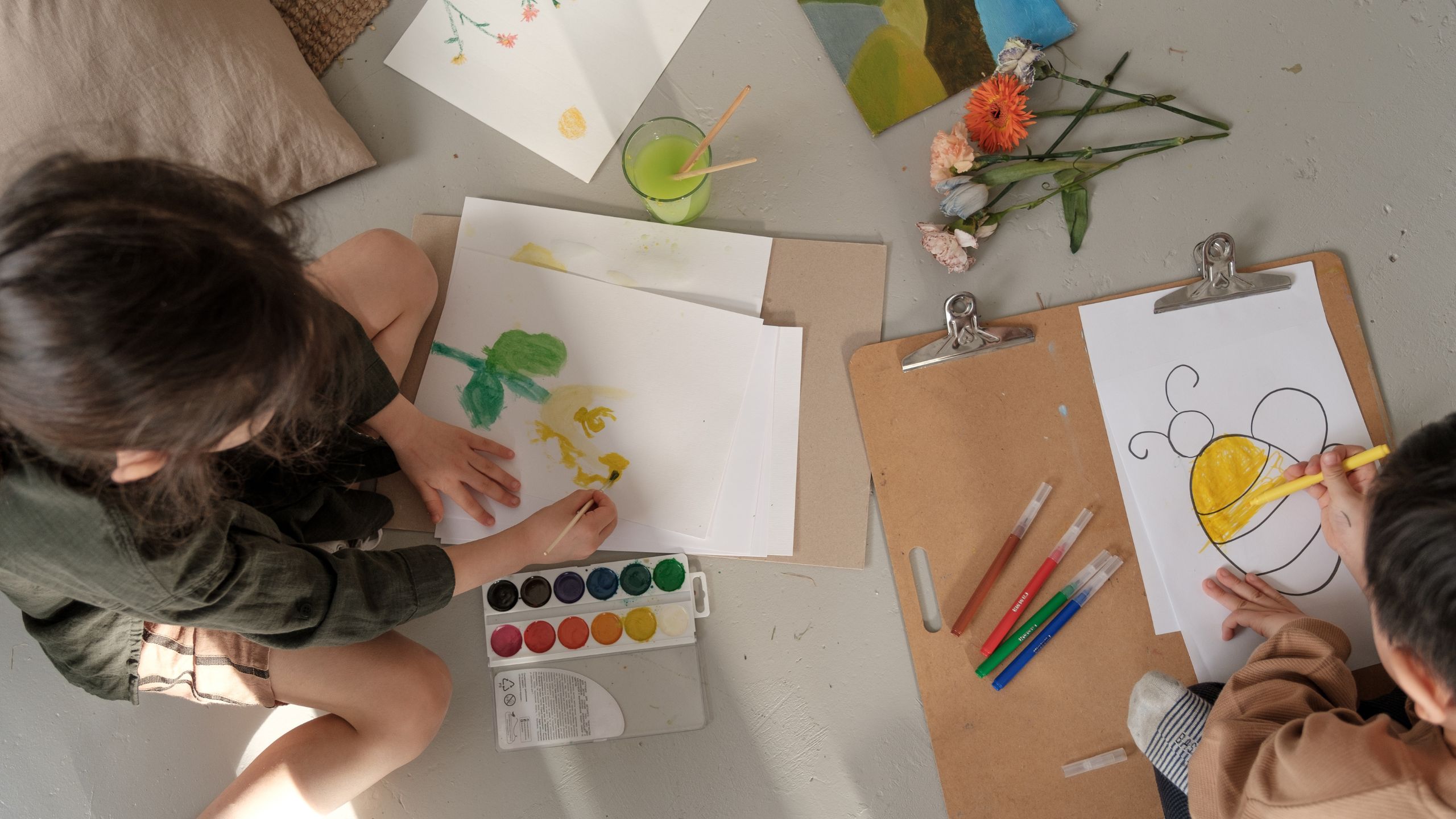
Support your child’s focus, comfort, and learning with a peaceful setup that nurtures their unique needs.
When it comes to homeschooling children with sensory sensitivities or special needs, the learning environment is just as important as the lesson plan. A sensory-friendly space helps reduce overwhelm, increase focus, and promote a sense of calm — all essential ingredients for learning success.
Whether your child is autistic, has ADHD, or just gets overstimulated easily, here are practical, heart-centered tips to create a learning space at home that feels like a safe haven.
1. Choose the Right Location
Pick a space with low foot traffic and limited distractions. Avoid spots near noisy appliances or areas with constant movement. A quiet corner in a bedroom, living room, or dedicated homeschool nook can work beautifully. Natural light is a bonus, but you can always soften it with curtains or blinds.
2. Consider Sensory-Friendly Colors

Bright, bold colors can be overstimulating. Opt for soft, neutral tones like blues, greens, or earth tones. These colors help promote relaxation and create a peaceful atmosphere.
3. Use Flexible Seating Options

Not every child can sit still at a desk for hours. Try incorporating:
- Bean bags
- Wiggle cushions
- Floor mats or rugs
- Exercise balls
- A small tent or pop-up pod for calming breaks
The goal is comfort, not perfection. Let your child move as needed — learning doesn’t always happen in a chair.
4. Reduce Visual Clutter

Keep the space clean and clutter-free. Use bins, folders, and shelves to organize supplies. Limit the number of visual decorations or wall hangings — a few calm, uplifting images are better than a wall full of posters.
5. Soften the Soundscape
Noise can be a major trigger for sensory-sensitive children. Try:
- Noise-canceling headphones
- White noise machines
- Soft instrumental music
- Carpets or rugs to reduce echo
Encourage a “quiet voice zone” during learning time to maintain a peaceful environment.
6. Use Tactile Tools and Fidgets
Offer sensory tools like:
- Textured fabric swatches
- Fidget spinners or cubes
- Chewelry or chewable pencils
- Play dough or kinetic sand (in small trays for mess control)
These can help your child self-regulate and focus better while learning.
7. Incorporate a Calm Corner
A calm-down space is a game-changer. Set up a small area with soft lighting, weighted blankets, calming books, and sensory toys. Teach your child that it’s okay to take a break when they feel overwhelmed.
8. Keep Learning Visual and Interactive
Many sensory learners are visual or kinesthetic. Use:
- Picture schedules
- Charts with velcro or magnets
- Hands-on learning activities
- Interactive technology (like tablets with learning apps)
Make learning engaging and multi-sensory whenever possible.
9. Respect Their Sensory Preferences
Your child may seek or avoid certain sensations. Pay attention to what soothes them versus what triggers discomfort. Some may love deep pressure (like a weighted lap pad), while others may need soft lighting and complete silence. Every child is different — and that’s okay.
10. Let Love Lead the Way
Above all, let your child know their needs are valid. Creating a sensory-friendly space isn’t about control; it’s about compassion. Your love, flexibility, and faith in their progress will be the most powerful environment you can give them.
A Gentle Reminder:
Creating a sensory-friendly learning space isn’t about perfection — it’s about peace. It’s a daily act of love and understanding. With small, thoughtful changes, your home can become a place where learning feels safe, supportive, and even joyful.