
In today’s health-conscious world, there’s no shortage of diet advice, especially when it comes to carbohydrates. Some people swear by low-carb diets; others emphasize the importance of balanced nutrition. But one thing remains clear: not all carbs are created equal—especially when comparing the carbs from vegetables to those from breads, pastas, and processed foods.
If you’ve ever wondered, “What’s the difference between non-starchy and starchy vegetables?” or “Which veggies help me lose weight faster?”—this blog is your answer.
Let’s dive in.
🍃 Carbs Are Not the Enemy—But Choose Wisely
Carbohydrates are the body’s natural source of energy. They fuel your brain, muscles, and every cell in your body. But the source of those carbs makes all the difference between weight loss and weight gain, between sustained energy and afternoon crashes.
The biggest mistake many people make? Lumping all carbs together—treating a plate of steamed broccoli the same as a slice of white bread.

🌿 Non-Starchy Vegetables: The Unsung Heroes of Health
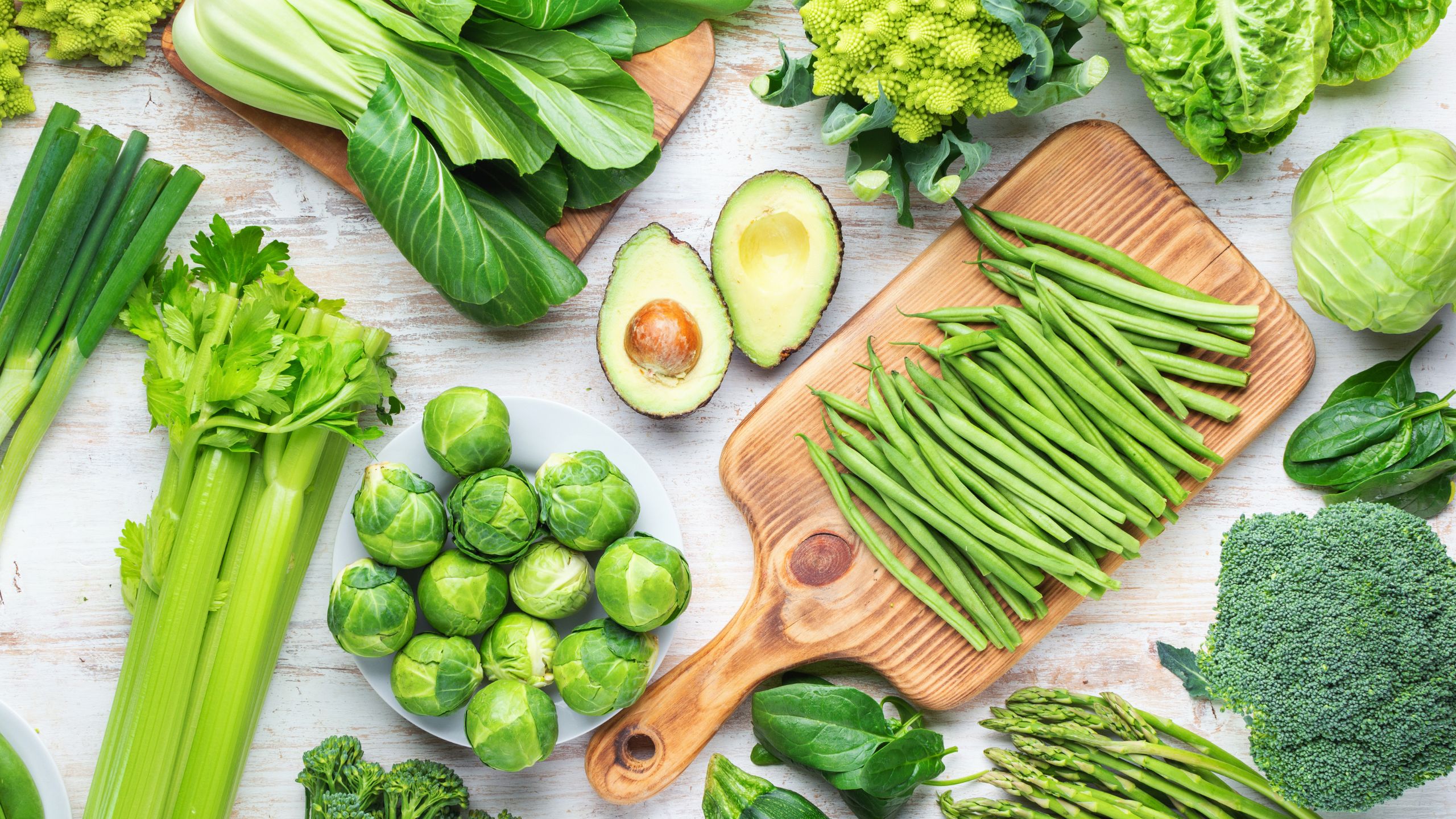
Non-starchy vegetables are nature’s gift to anyone looking for weight loss, vibrant energy, and total wellness. These veggies are low in calories, low in carbs, but rich in fiber, water, vitamins, and minerals.
They help you feel full without weighing you down. They gently support your blood sugar levels without spiking insulin—the hormone responsible for storing belly fat.
✅ Examples of Non-Starchy Vegetables:
- Spinach
- Kale
- Romaine lettuce
- Broccoli
- Cauliflower
- Zucchini
- Bell peppers
- Asparagus
- Green beans
- Mushrooms
- Cucumber
- Celery
- Brussels sprouts
These are the foods that don’t need to be counted. You can eat them in abundance—grilled, steamed, raw, or roasted. Their low-calorie, high-fiber nature means they help burn fat faster by keeping you satisfied and nourished.
They are not only food for the body—they are medicine for the soul. Each bite is packed with antioxidants, phytonutrients, and life-giving energy that support every cell in your body.

🍠 Starchy Vegetables: Healthy—But With a Caution Sign
Starchy vegetables aren’t “bad”—but they must be consumed with intention.
These veggies grow below ground and store more sugar and starch, which means more calories and carbohydrates per serving. They can spike your blood sugar more quickly, leading to the classic cycle of energy crashes, cravings, and weight gain—especially if you’re already insulin resistant or trying to lose stubborn belly fat.
⚠️ Examples of Starchy Vegetables:
- Potatoes (white, red, gold, sweet)
- Corn
- Green peas
- Butternut squash
- Acorn squash
- Beets
- Pumpkin
- Plantains
For active individuals, athletes, or those needing quick energy, these vegetables have a place. But for those pursuing weight loss, fat reduction, or blood sugar balance, it’s best to keep them as occasional side dishes, not everyday staples.
🚨 The Simple Rule: Above-Ground vs. Below-Ground
One of the easiest ways to remember the difference is this:
- If the veggie grows above ground (leafy, crunchy) → likely non-starchy and low in carbs.
- If it grows below ground (dense, root-like) → likely starchy and higher in carbs.
This simple principle can guide you toward making smarter, effortless choices without counting every gram.
🌟 Why Non-Starchy Veggies Boost Weight Loss & Energy
The magic of non-starchy vegetables lies in their fiber and water content. These two elements do something powerful:
- Keep you full for longer—curbing unnecessary snacking.
- Slow down digestion—preventing blood sugar spikes that lead to fat storage.
- Nourish your gut bacteria—which affects metabolism, mood, and immunity.
Plus, the vibrant colors of non-starchy vegetables (greens, reds, oranges, purples) bring with them an array of powerful plant compounds that help fight inflammation, cleanse the body, and support healthy aging.
🥗 Real Life Application: How to Build a Plate
When creating a balanced, weight-loss-friendly plate:
- Half the plate: Non-starchy vegetables (as much as you want)
- One-quarter: Lean protein (fish, shrimp, tofu, chicken, eggs)
- One-quarter: Healthy fats (olive oil, avocado, nuts) or a small serving of starchy veggies (if needed)
This approach naturally lowers calories while increasing nutrients—fueling your body and freeing your mind from constant hunger.
✨ The Takeaway: Let Food Be Your Freedom
You don’t need to fear carbs—but you do need to choose them wisely.
Let non-starchy vegetables become the foundation of your meals. Let them color your plate, nourish your body, and help you break free from the cycle of energy crashes and belly fat struggles.
In a world full of quick fixes, God’s original design for food—simple, natural, plant-based—still holds the key to true, lasting health.
👉 Ready to start your journey?
Try filling half your next meal with non-starchy veggies and watch how your energy, mood, and waistline begin to shift.